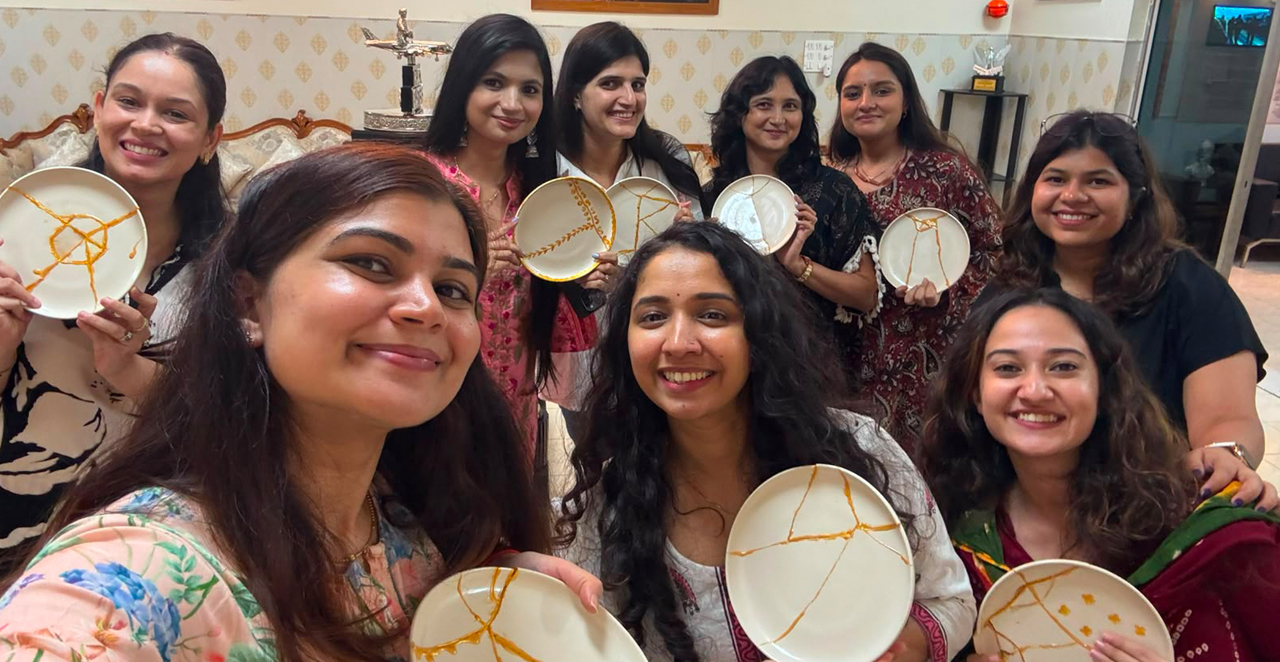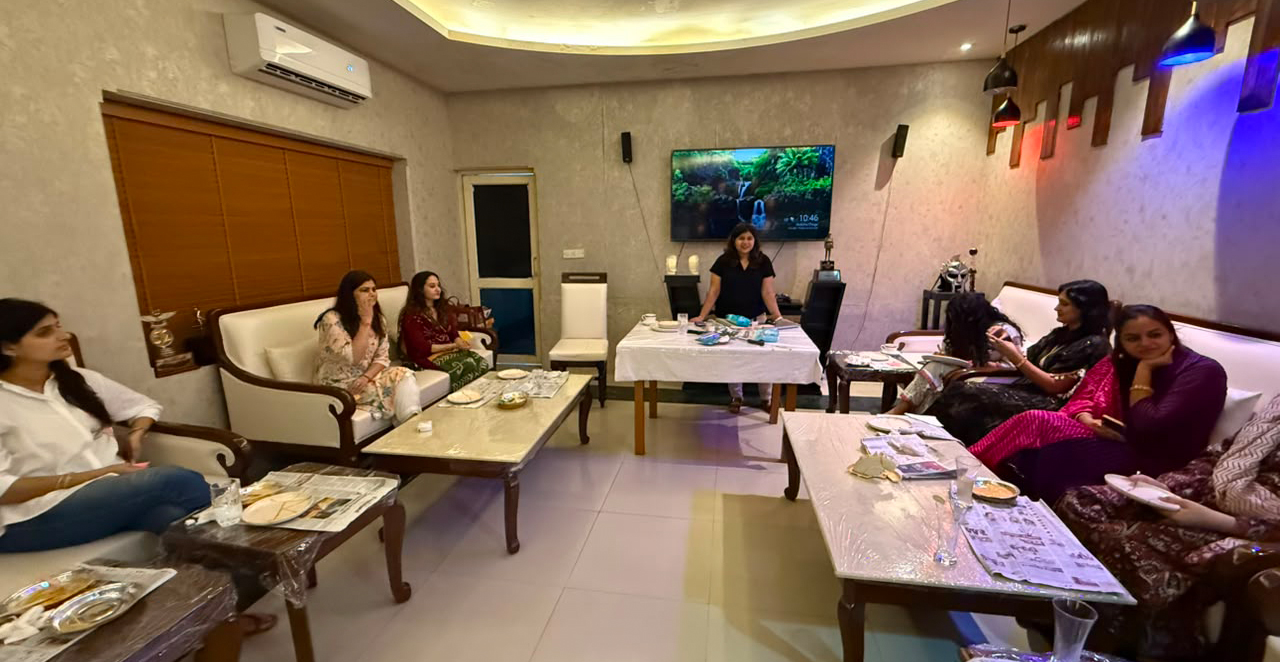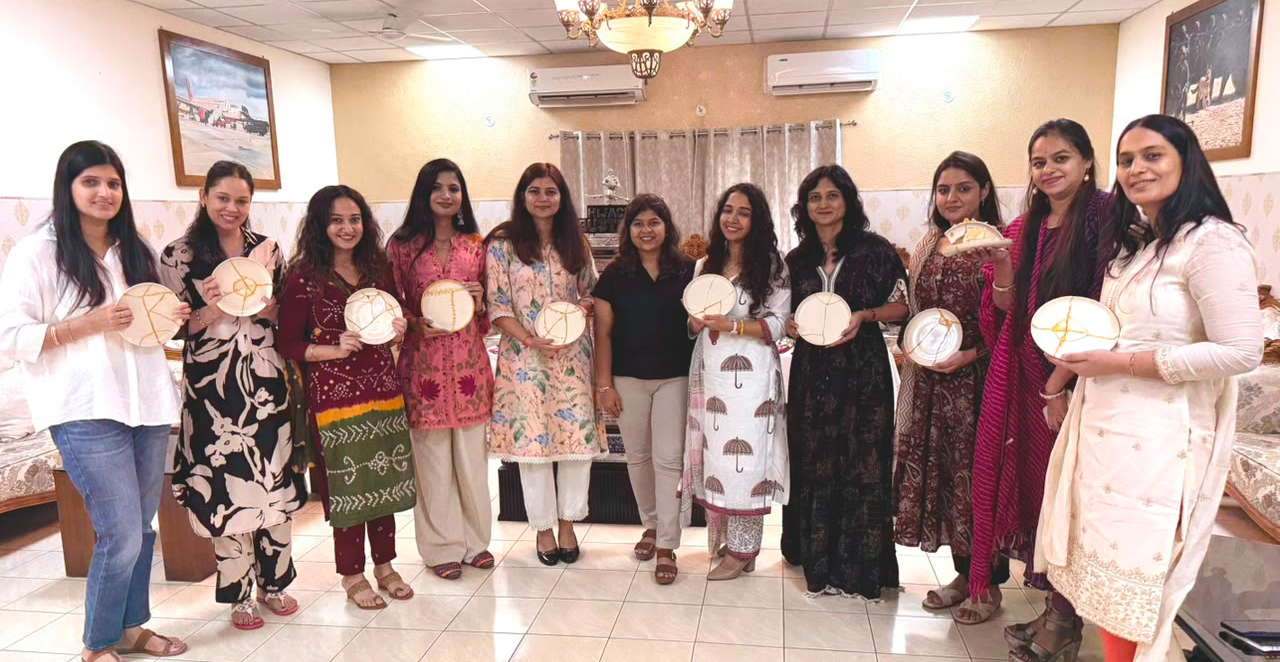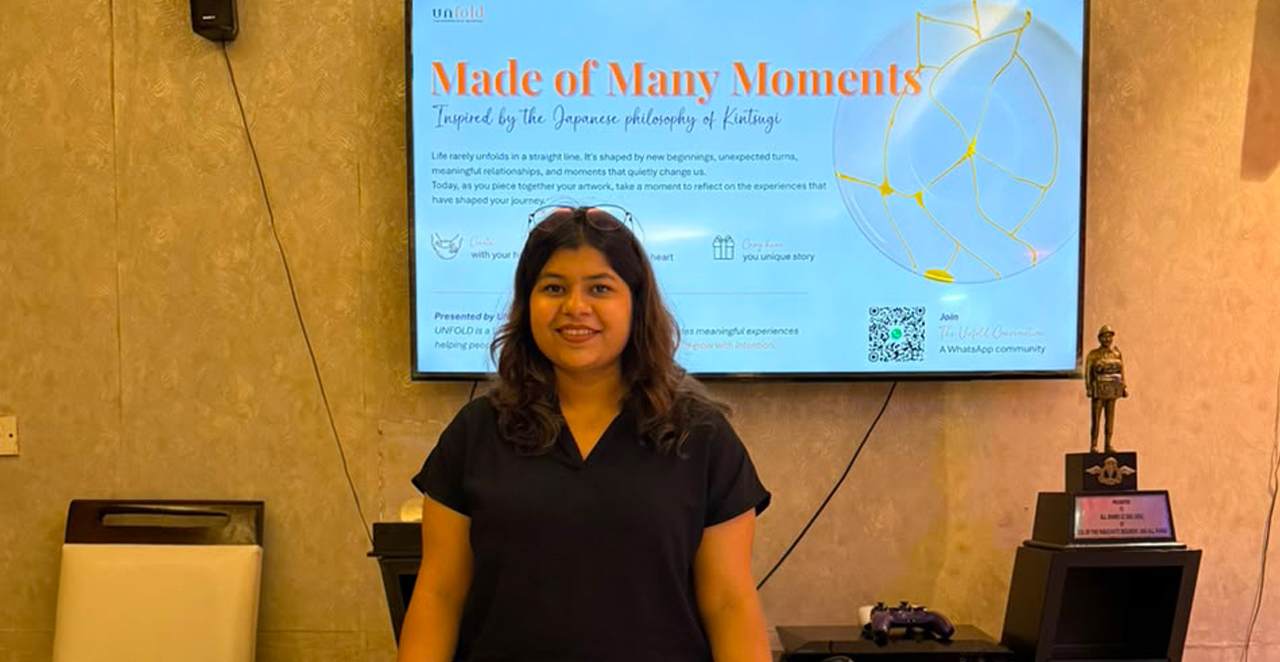
WHAT WE CREATE
Real Change.
Designed with intention.
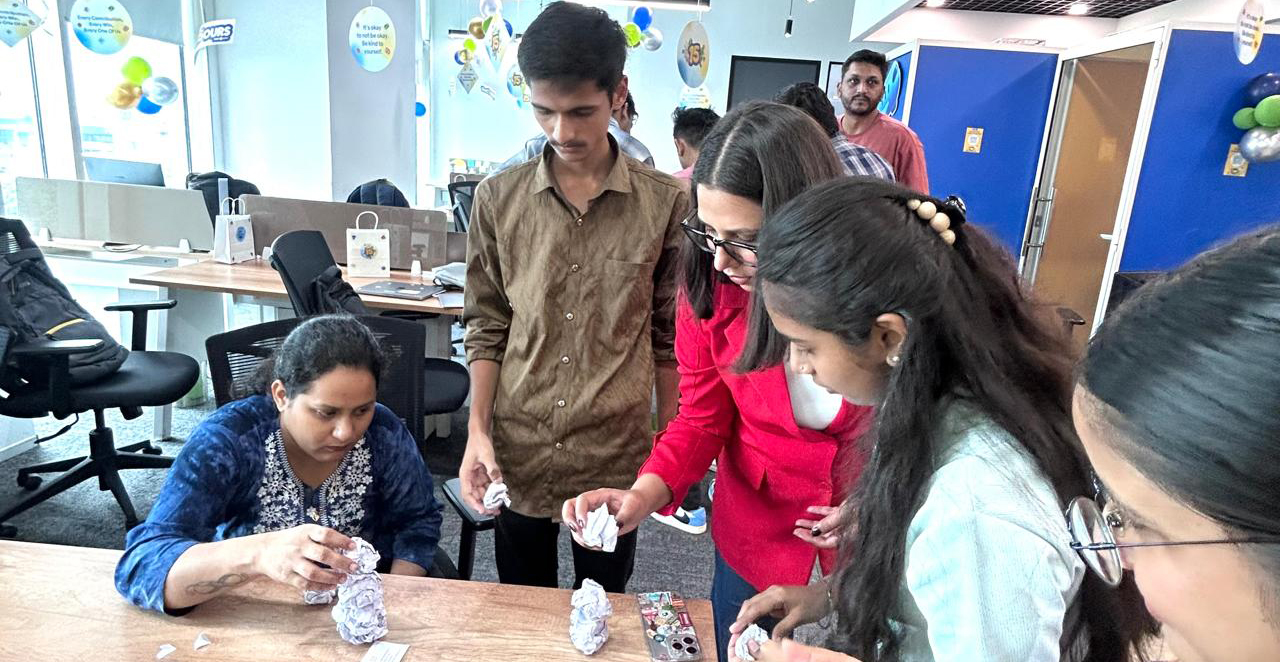
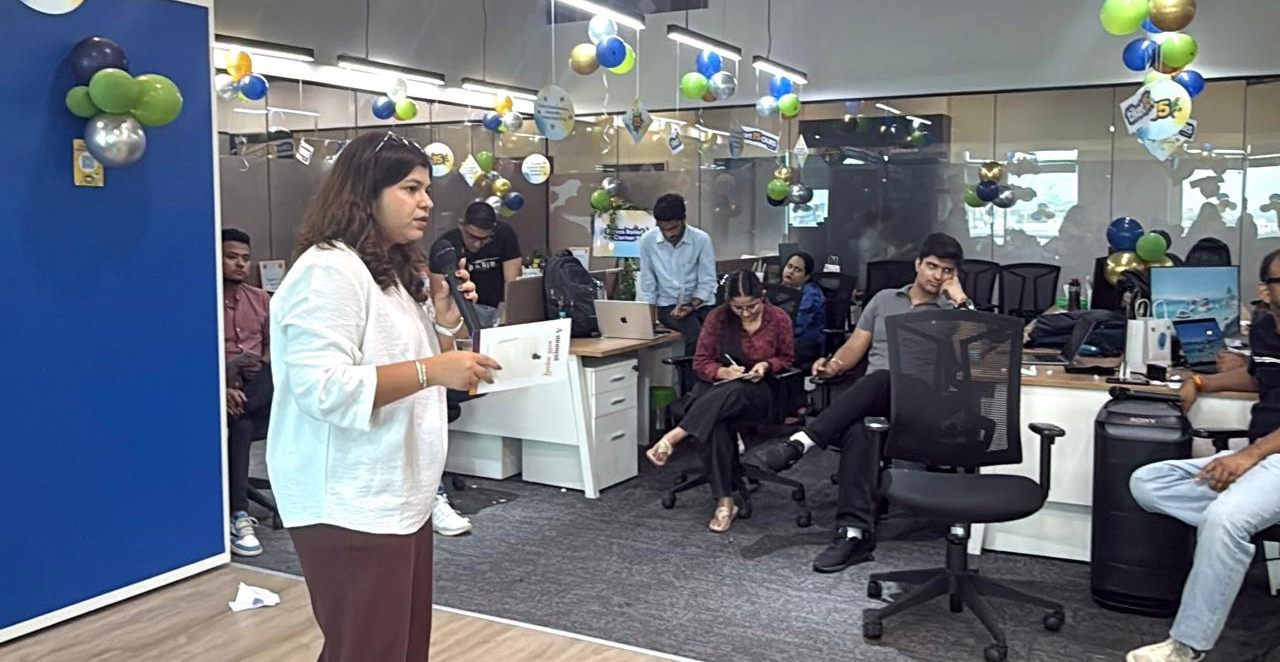
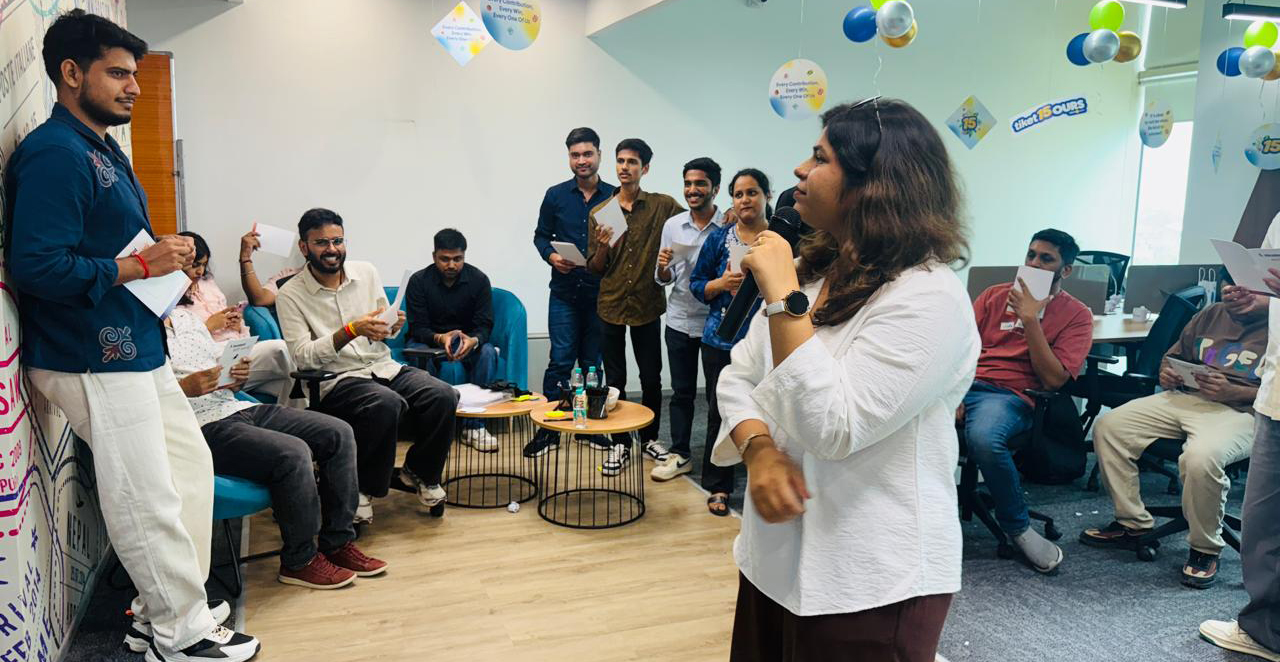
Grounded in how adults learn. Shaped by your context. Designed for lasting impact. Every programme brings these principles to life in a way that is relevant, practical, and built to stay.

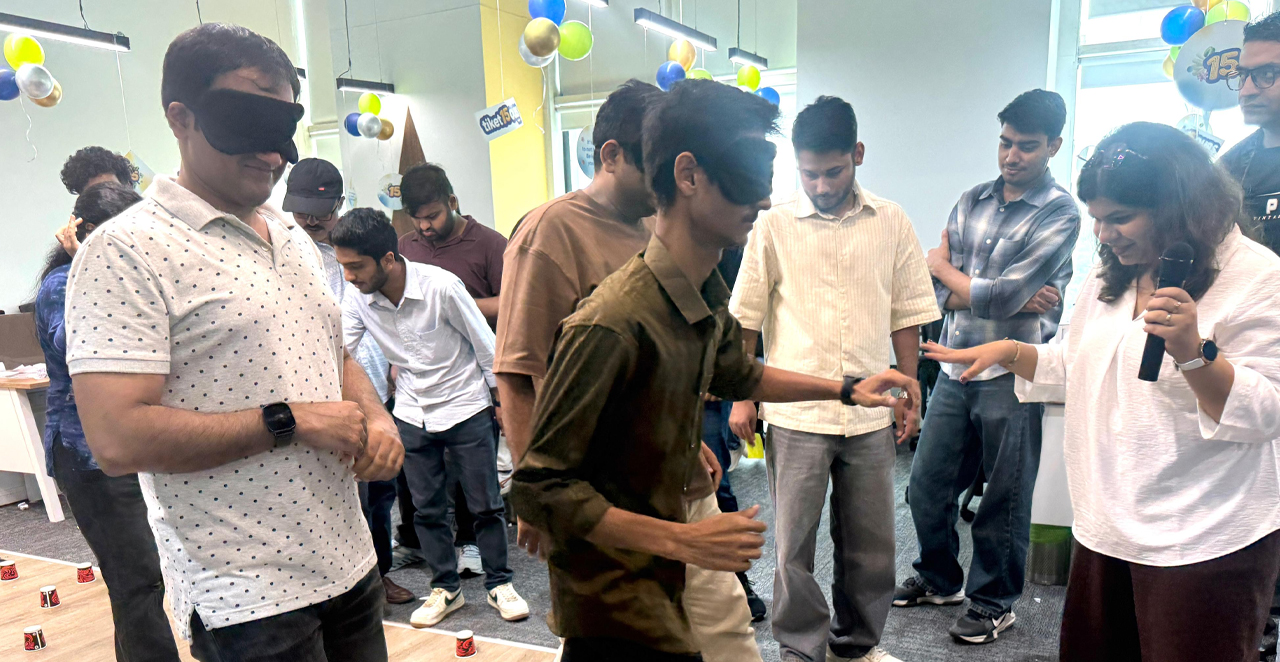
Team Building
Building teams that connect, trust and thrive.
In increasingly digital and distributed workplaces, teams can be constantly connected yet still feel disconnected. Stronger team connections build trust, improve collaboration and reduce silos, helping teams solve problems together, adapt faster and perform better.
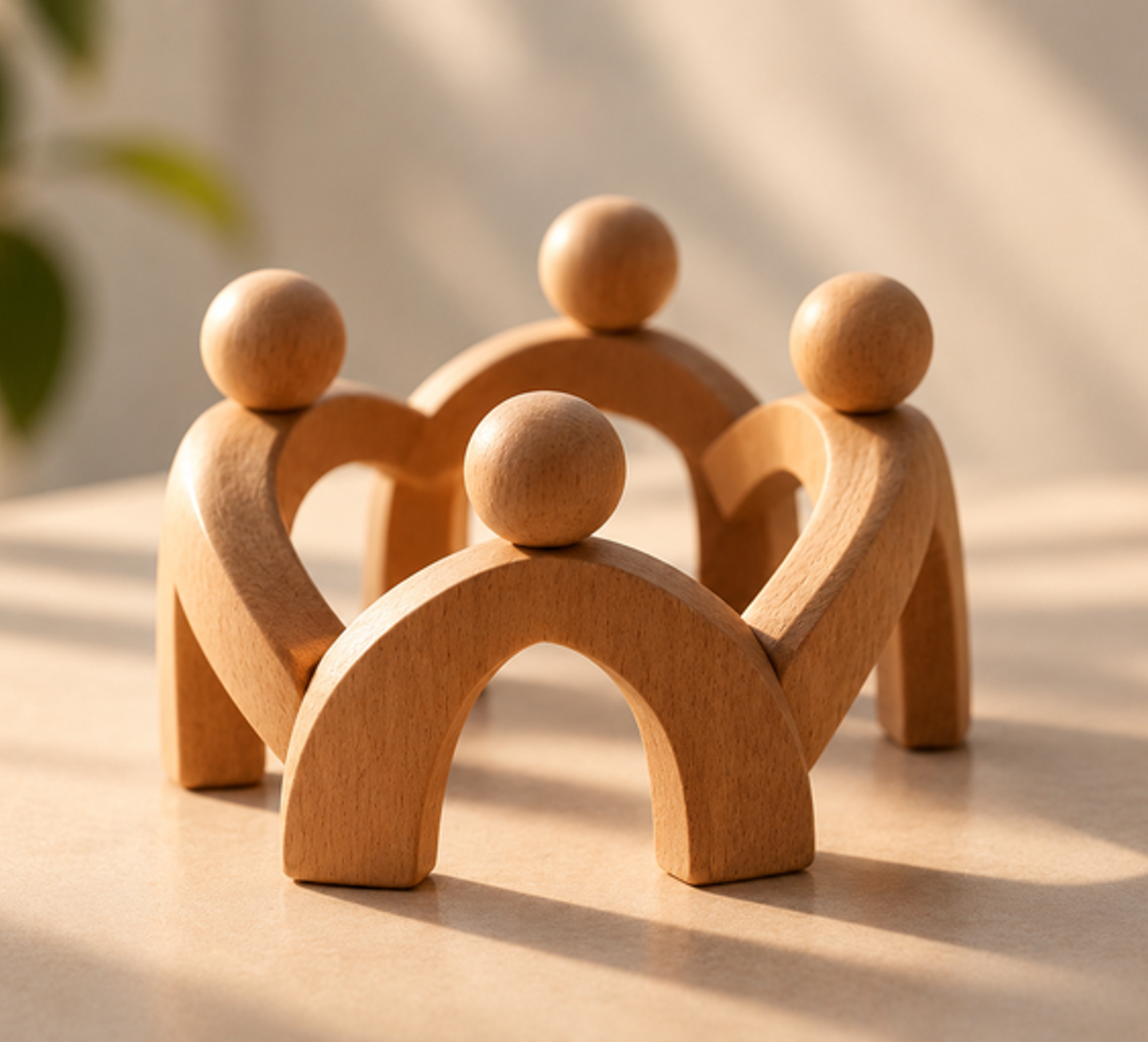
The challenges teams are facing today
- Teams are connected digitally but disconnected personally.
- A lack of trust makes it harder to work openly and effectively.
- Constant change makes it harder for teams to stay connected and engaged.
The challenges teams are facing today
- People work together but don't feel like a team.
- Different generations bring different expectations and ways of working.
Why it matters
Team building isn't just about bringing people together. It's about what they can achieve together.
More efficient
0
x
McKinsey
More likely to produce results
0
x
McKinsey
Higher profitability
0
%
Gallup
Higher productivity
0
%
Gallup
The impact Unfold creates
Build stronger trust
Create the openness and psychological safety that help people communicate honestly, ask for help and rely on one another.
Strengthen collaboration
Help people understand different perspectives, communicate better and work towards shared goals.
Break silos
Bring people across roles and functions together to build shared understanding and solve problems collectively.
Create meaningful connections
Give people space to connect beyond their roles, discover what they have in common and build relationships that last.
Create belonging
Help people feel seen, valued and part of something bigger than their individual role.
When people connect better, teams work better.
Create teams that communicate openly, collaborate effectively and are better equipped to solve problems, navigate change and perform together.

Personal Mastery
Helping people navigate themselves and what's next.
Constant change, pressure and uncertainty can make it harder to stay focused, resilient and effective. We build self-awareness, adaptability and clarity, helping people manage change, stay effective and grow through uncertainty.

The challenges individuals are facing today
- There's too much to do and too little time to do it.
- People are busy, but not always focused on what matters.
- It's easy to keep going without stopping to reflect, learn and grow.
The challenges teams are facing today
- Constant change makes it harder to stay grounded and adapt.
- AI is changing how people think, work and make decisions.
Why it matters
Lack enough time or energy to do their work
0
%
Microsoft Work Trend Index 2025
More likely to struggle with innovation and strategic thinking
0
x
Microsoft Work Trend Index
Of employers see resilience, flexibility and agility as core skills
0
%
WEF Future of Jobs 2025
Say critical thinking matters more as AI takes on more work
0
%
Microsoft Work Trend Index 2026
The impact Unfold creates
Self-Awareness
Recognise your patterns, strengths and blind spots, and make more intentional choices.
Resilience
Stay steady through pressure, setbacks and uncertainty, without losing momentum.
Adaptability
Respond to change with flexibility, confidence and a willingness to learn.
Focus
Cut through the noise and direct your time, energy and attention where they matter.
Human Thinking
Stay curious, challenge assumptions and bring creativity and judgement to an AI-powered workplace.
When individuals master themselves, productivity follows.
People who stay effective, think better and adapt faster, even when the world around them keeps changing.
WHY THIS WORKS
Decades of research point in the same direction.
Learning through experiences consistently produced better outcomes than traditional instruction.
Across 89 studies conducted over 43 years, experiential learning consistently outperformed traditional instruction, with learners achieving meaningfully stronger learning outcomes (d = 0.43).
Source: Burch, G. F., Giambatista, R., Batchelor, J. H., Burch, J. J., Hoover, J. D., & Heller, N. A. (n.d.). A Meta-Analysis of the Relationship between Experiential Learning and Learning Outcomes. https://eric.ed.gov/?id=EJ1224453
Questions we often get asked
FAQ's
Q1: What is experiential learning?
It’s learning through doing rather than listening. Instead of sitting through a presentation about
feedback, you practice giving difficult feedback in the room, with real pressure, real reactions, and
real reflection afterwards. The experience is the lesson. Most people remember what they lived
through far longer than what they were told.
Q2: Is this different from regular training?
Yes, in one specific way. Most training is designed around content delivery. A facilitator presents
information, participants receive it, everyone goes home. Experiential learning is designed around
what participants actually do in the room. The activities, the challenges, the conversations are not
warm-ups. They are the programme. The difference shows up not on the day, but in the weeks after.
Q3: Can you train my team remotely?
Yes. Experiential learning works online but it needs to be designed for it, not adapted from a
classroom format at the last minute. Virtual sessions with Unfold are built specifically for the online
environment. Shorter, more interactive, and structured so the energy doesn't drop after the first
hour. That said, some programmes work better in person.
Q4: What happens in a discovery call?
Thirty minutes. No deck, no pitch. Dipika will ask about what's going on, what you've tried, what isn't
working, and what you're hoping for. You'll ask whatever you need to. By the end, you'll both know
whether this is the right fit. If it is, a proposal follows. If it isn't, Dipika will say so and point you
somewhere better.
Q5: We already have an L&D team. Why would we need this?
Unfold works best alongside internal L&D teams, not instead of them. Your team knows the
organisation, the culture, the politics, the history of what's been tried. Dipika brings the design
expertise and facilitation depth that most internal teams don't have the bandwidth to develop. The
combination is usually better than either working alone. If your team has the capacity and the right
skills, Dipika will say so on the first call.
Q6: How do I know if my team needs training?
A few signals worth paying attention to. The same problems keep coming up in feedback cycles. A
team is technically strong but something isn't working in how they communicate or collaborate. A
manager has just been promoted and is visibly struggling. New people aren't settling in the way
you'd hope.